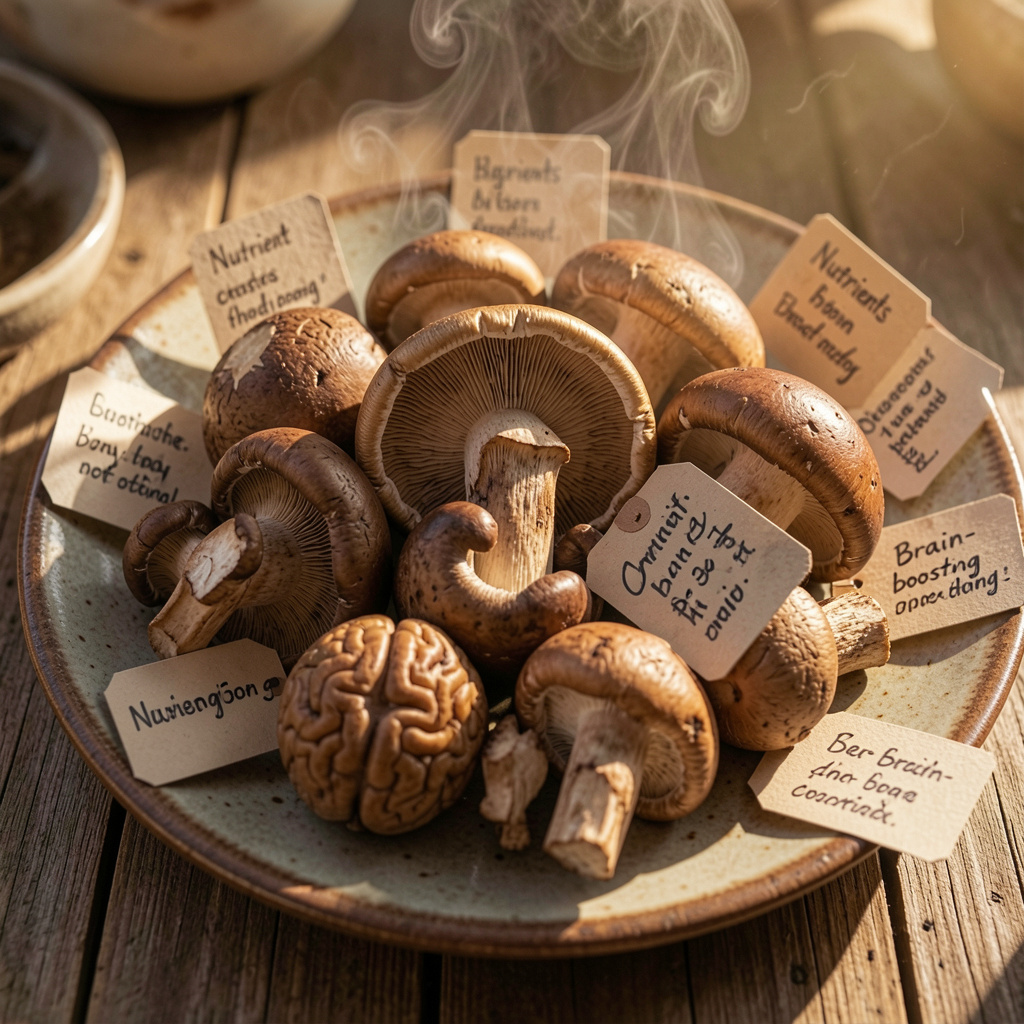
Eating better for your mind sounds great in theory, but in real life, it often gets pushed aside by busy mornings, repetitive lunches, and dinners that need to happen fast. Most people do not struggle because they do not care about nutrition. They struggle because healthy eating is often presented as time-consuming, expensive, and hard to maintain. When your day is already full, adding another “wellness routine” can feel like too much. That is exactly why making simple, realistic food changes is often the best place to start for better Brain Health.
The good news is that supporting your brain does not require a dramatic lifestyle reset. You do not need complicated meal plans, hard-to-find ingredients, or hours in the kitchen every week. What actually works is learning how to add brain-supportive foods into meals you already enjoy. In this guide, you will learn practical ways to do exactly that without making food feel stressful. If you want a convenient starting point, Lions Mane Mushroom Company offers easy-to-use Lion’s Mane mushroom products that can fit naturally into everyday meals while helping you build a more supportive routine.
What to Know Before Adding More Brain Health Foods
If you want to eat in a way that supports your mind, the first thing to understand is that simple habits work better than strict plans. Many people try to “eat healthier” by changing everything at once, but that usually leads to frustration, wasted groceries, and routines that do not last. A much better approach is to focus on meals that are easy to repeat and ingredients that are easy to enjoy. When healthy eating feels realistic, it becomes much easier to stay consistent with it over time.
The second thing to remember is that Brain Health foods are not only about long-term wellness. They can also support your daily energy, focus, and mental clarity when used consistently in a balanced diet. That means your meals should not just look healthy — they should also be satisfying, convenient, and easy to build on a busy schedule. Once you understand that, it becomes easier to choose foods that fit your lifestyle instead of creating more pressure around eating well.
Choose Foods You Can Actually Use Often
One of the smartest things you can do is stop buying “healthy” foods just because they sound impressive. If you do not know how to cook them, enjoy them, or use them more than once, they usually end up forgotten in the fridge or pantry. The best foods for better nutrition are the ones you can use regularly without needing a complicated recipe every single time. Practicality matters just as much as nutrition when you are building habits that need to last.
This is why versatile ingredients are so valuable for everyday meal planning. Foods that can be used in breakfast, lunch, dinner, and even snacks make healthy eating feel less like work. Lion’s Mane mushrooms are a great example because they can fit into multiple meals while still being satisfying and easy to cook. When you choose foods that naturally fit your routine, eating better becomes less about effort and more about consistency.
Keep Meals Simple and Repeatable
A lot of people assume eating for cognitive wellness means constantly creating new meals, but that usually makes things harder than they need to be. In reality, the most effective healthy eating routines are often built on repetition. If you have a few meals you enjoy and can prepare without stress, you already have a strong foundation. Repeating good meals is not boring — it is efficient, especially when life gets busy and decision fatigue starts to take over.
Repeatable meals also make grocery shopping easier and reduce food waste throughout the week. Instead of buying random ingredients for one recipe, you can stock a few supportive staples and rotate them in different ways. That could mean using mushrooms in a scramble one day, a grain bowl the next, and a quick dinner later in the week. The easier it is to repeat your meals, the more likely you are to stay consistent with your goals.
Convenience Is Part of Healthy Eating
There is a common belief that convenience and healthy eating do not belong together, but that is not true at all. In fact, convenience is often the reason healthy routines either succeed or fail. If your meals require too much prep, too much planning, or too much motivation every day, they are going to become difficult to maintain. Good nutrition should fit into your real schedule, not just your ideal one.
This is where ready-to-cook, nutrient-supportive foods can make a real difference. Convenient ingredients help remove friction from your routine, which means you are more likely to make better food choices even on busy days. Instead of waiting for the “perfect” time to eat better, you can create a system that works with the time and energy you actually have. That is what makes healthy eating sustainable rather than temporary.
Focus on Balance Instead of Perfection
Perfection is one of the biggest obstacles to healthy eating. If you believe every meal needs to be flawless, you are far more likely to feel discouraged when life gets messy. A much more realistic approach is to aim for balance. That means trying to include foods that support steady energy, better nourishment, and mental clarity most of the time without turning every meal into a nutrition project.
Balanced eating also gives you more flexibility and freedom. You do not need to overhaul your life to improve your meals. Even simple additions like mushrooms, healthy fats, leafy greens, whole grains, and protein can make a meaningful difference over time. Small improvements repeated consistently are often much more powerful than occasional “perfect” meals that are hard to sustain. That is the mindset that actually helps people build lasting nutrition habits.
Flavor Matters More Than People Realize
One reason healthy eating often fails is because people focus so much on nutrition that they forget meals should still taste good. If your food is bland, repetitive, or unsatisfying, it becomes much harder to stick with even the best intentions. Flavor is not extra — it is one of the biggest reasons people stay consistent with healthier meals. When food is enjoyable, healthy choices feel far less restrictive and much easier to repeat.
This matters especially when you are trying to introduce more functional foods into your routine. Ingredients that have texture, richness, and versatility are far easier to keep using than foods that feel like a chore to prepare. When healthy meals are flavorful and satisfying, you do not need as much willpower to stay on track. You simply need a few reliable foods that make better eating feel natural and enjoyable.
1. Start With One Brain Health Food Per Week
One of the easiest ways to make healthy eating less overwhelming is to focus on one ingredient at a time. Instead of trying to “fix” your entire diet overnight, choose one food that supports your goals and find a few easy ways to use it during the week. This makes meal planning simpler, helps reduce grocery waste, and gives you a realistic starting point you can actually stick with. Small, repeatable upgrades are often more effective than dramatic changes.
When you build your meals around one useful ingredient, you also remove a lot of decision fatigue. You do not need to keep asking yourself what to cook or whether your meals are “healthy enough.” You already have a starting point. Lion’s Mane mushrooms are a strong option here because they can be used in multiple meals without requiring a lot of prep. Once you have one flexible ingredient in rotation, better eating starts to feel much more manageable.
2. Upgrade Breakfast Without Reinventing It
Breakfast is one of the easiest meals to improve because it usually does not need a full reset. Most people already have a breakfast pattern, even if it is simple. Instead of replacing everything, look for ways to make your current breakfast more supportive. That could mean adding mushrooms to eggs, topping oats with walnuts and berries, or pairing toast with avocado and a side of protein. The goal is not to create a “perfect breakfast” — it is to make your normal breakfast work harder for you.
This approach is much easier to maintain because it builds on habits you already have. If breakfast feels too complicated, people often skip it or default to whatever is quickest. But when it is simple and satisfying, it can help set the tone for the rest of the day. Better breakfasts can support steadier energy, improved focus, and fewer cravings later on. Even one or two thoughtful additions can make a noticeable difference over time.
3. Build Easy Lunch Bowls That Save Time
Lunch is often where healthy eating falls apart because people are busy, distracted, or relying on whatever is easiest in the moment. That is why lunch bowls work so well. They are quick to build, easy to customize, and perfect for using leftovers without making meals feel repetitive. A good lunch bowl can include grains, greens, protein, healthy fats, and one brain-supportive ingredient that gives the meal extra value.
This kind of meal also helps reduce the midday crash that often comes from random, low-quality lunches. When your lunch is more balanced and filling, you are less likely to feel sluggish or snack constantly in the afternoon. The beauty of bowls is that they do not require a recipe every time. Once you know the structure, you can keep mixing and matching ingredients based on what you already have in the fridge. That makes them ideal for simple, repeatable nutrition.
4. Make Dinner Easier With a Go-To Ingredient
Dinner becomes stressful when every night starts with a blank slate. One of the best ways to simplify it is to choose one go-to ingredient that can anchor multiple meals throughout the week. This gives you a reliable base to work with while still allowing enough flexibility to keep things interesting. It could be used in a stir-fry one night, a wrap the next, and a simple plate with vegetables and grains later in the week.
Using one anchor ingredient also saves time because it reduces how much planning and prep you need each day. Instead of building every dinner from scratch, you are simply changing the format around a familiar starting point. This is one of the easiest ways to eat better without making dinner feel like another task. When meals are easier to pull together, you are much more likely to follow through with your nutrition goals consistently.
5. Keep Brain-Friendly Snacks Within Reach
Healthy snacking becomes much easier when your good options are visible, convenient, and ready to eat. Most people do not make poor snack choices because they want to. They do it because they are hungry, busy, and looking for the fastest option available. That is why snack preparation matters more than people think. If your brain-supportive foods require too much effort, they are less likely to get chosen in the moment.
The best snacks are usually simple combinations that help you stay full and steady between meals. Nuts, fruit, yogurt, seeds, hummus, vegetables, and easy savory leftovers can all work well. You do not need to overcomplicate snacks or make them look impressive. You just need options that help you feel more stable and less likely to crash later in the day. Convenient, satisfying snacks can quietly improve your routine more than most people expect.
6. Use Flavor to Make Healthy Eating Sustainable
If your meals do not taste good, it is only a matter of time before you stop making them. This is why flavor should always be part of the plan when you are trying to eat more intentionally. Rich seasoning, satisfying textures, and ingredients that feel substantial can completely change how easy it is to stick with healthier choices. You should not have to choose between “good for you” and genuinely enjoyable.
This is especially helpful when trying to add more functional foods into your meals. If those foods also bring savory depth and satisfying texture, they become much easier to use consistently. Meals should feel appealing enough that you want to eat them again, not like something you are forcing yourself to finish. The more enjoyable your meals are, the less discipline you need to maintain your routine over time. That is where long-term consistency really begins.
7. Create a Simple Brain Health Grocery List
A reliable grocery list can make healthy eating dramatically easier. Instead of walking into every week without a plan, create a core list of foods that support your meals and fit naturally into your routine. This reduces decision fatigue, saves time, and helps ensure that better choices are already available when you need them. A good grocery system does not need to be complicated. It just needs to make your life easier.
Think in terms of categories instead of perfection: greens, healthy fats, protein, fiber-rich carbs, fruit, and one or two versatile functional foods. Once you have these basics in place, building supportive meals becomes much less stressful. You are not searching for “what to eat” every day — you are simply combining foods that already work well together. That kind of structure is often the biggest difference between wanting to eat better and actually doing it consistently.
Why Choose Lions Mane Mushroom Company?
If you want to make brain-supportive eating easier, convenience and quality both matter. Lions Mane Mushroom Company offers a practical way to include Lion’s Mane mushrooms in your routine without making meals feel complicated or time-consuming. Instead of treating functional foods like a special occasion ingredient, the brand makes them easier to use in everyday cooking. That matters for anyone trying to improve their food habits in a way that is actually sustainable.
Their product range can fit naturally into simple meals, whether you are making breakfast, lunch, dinner, or quick snacks throughout the week. That makes it easier to stay consistent without relying on complicated prep or overly restrictive meal planning. If your goal is to support better eating with less stress, this kind of flexibility is incredibly useful. Healthy routines work best when they fit into normal life, and that is exactly what makes this approach so effective.
Conclusion
Eating more foods that support your mind does not have to be difficult, expensive, or overly structured. In fact, the most effective changes are often the simplest ones. When you focus on practical ingredients, repeatable meals, and realistic habits, healthy eating becomes much easier to maintain. That is what matters most in the long run — not perfection, but consistency that fits into your actual lifestyle.
If you want to support your routine in a way that feels simple and sustainable, start small. Choose one ingredient, one meal, or one food habit and build from there. Over time, those small choices can create a much stronger foundation for energy, focus, and overall wellness. And when convenience is built into the process, healthy eating stops feeling like a challenge and starts feeling like something you can actually keep doing.